Indoor Air Matters In January: Dust And Dander Build-Up In Milwaukee
[wpsummarize]
Why Indoor Air Quality Takes a Hit in January
Milwaukee winters are no joke. When January rolls around, most of us seal our homes tight to keep the cold out. While that makes sense for comfort and heating efficiency, it also creates a perfect storm for indoor air pollution. With windows closed and fresh air barely circulating, everything that would usually escape—like dust, pet dander, and stale air—gets trapped inside. Think of it like your home wearing a thick winter coat—it keeps warmth in, but also holds in everything else.
For allergy-sensitive homeowners, families with young kids, or pet owners, this indoor environment can quickly become uncomfortable. Sneezing, coughing, itchy eyes—these symptoms don’t just come from the cold outdoors. They often start right inside your home.
Understanding Winter Dust Build-Up
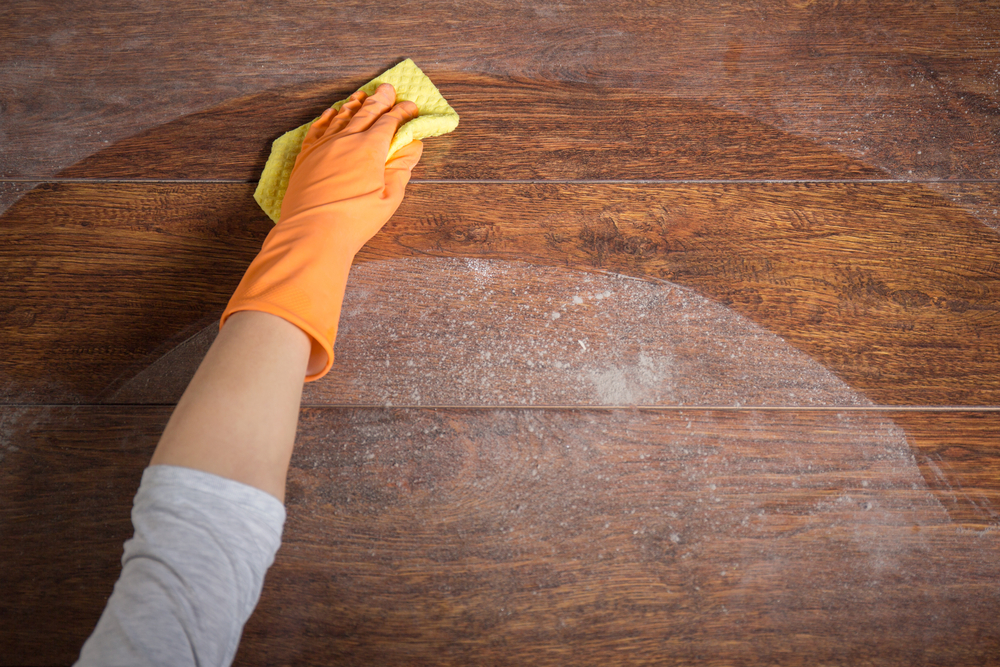
During winter, dust doesn’t just settle quietly—it explodes in volume. The moment your furnace kicks on, it stirs up a cloud of microscopic particles that spread throughout your home. Forced-air heating systems don’t just move warm air—they move everything hiding in your ducts, carpets, and upholstery.
Milwaukee’s cold weather keeps us indoors, and with no fresh air circulating, dust builds quickly. Dry winter air also helps particles stay airborne longer. From dead skin cells to fabric fibers and pet dander, dust becomes a constant indoor companion unless actively managed.
Pet Dander: The Invisible Winter Enemy
Your furry friends are indoors more during winter, too. That means more shedding, more scratching, and more dander floating through your air. Unlike pet hair, which you can see, dander is microscopic and clings to every soft surface—furniture, carpets, curtains, and clothes. Without a HEPA vacuum, you’re mostly just redistributing the problem when you clean.
Whether you have a short- or long-haired pet, the dander they release can wreak havoc for allergy-sensitive individuals. A targeted cleaning strategy, combined with grooming and professional support, makes a huge difference in winter air quality.
Why You Feel Worse Indoors in Late January
By late January, indoor air has become stale, filled with allergens and particulates. If you’re waking up congested or constantly rubbing your eyes, your home’s air may be to blame. Dry heating systems combined with poor ventilation trap pollutants inside, leading to headaches, fatigue, and respiratory discomfort.
Being aware of your symptoms and connecting them to your environment is the first step toward fixing the problem. Deep cleaning and better filtration can help reduce these symptoms dramatically.
The Impact of Dry Indoor Air on Dust Circulation
Winter air in Milwaukee is not only cold—it’s dry. And when your home’s humidity drops, dust stays airborne much longer. Dry air allows particles to float, making them easier to breathe in and harder to clean.
Adding a humidifier and maintaining 30–50% indoor humidity can significantly reduce airborne allergens. Combine this with HEPA vacuuming and consistent dusting to combat winter dust circulation effectively.
Common Dust Zones You’re Probably Ignoring
- Baseboards and molding
- Ceiling fan blades and light fixtures
- Window sills and tracks
- HVAC vents and returns
- Behind and under large furniture
- Tops of doors and picture frames
- Upholstered furniture and cushions
- Under area rugs
These hidden dust zones can drastically impact air quality. Make sure they’re part of your deep cleaning checklist or hire a professional to ensure nothing is missed.
Bedroom Cleaning: Your Healthiest Investment
You spend a third of your life in your bedroom—and dust mites love it there too. They thrive in mattresses, pillows, and blankets, feeding on dead skin cells and lingering in warm, undisturbed areas. If you’re not vacuuming your mattress or washing your bedding in hot water weekly, allergens are building up fast.
Don’t forget about curtains, rugs, and closet clutter. Keeping the bedroom clean and allergen-free is one of the best ways to improve sleep and reduce daily symptoms during winter.
The HEPA Advantage: Vacuuming That Works
HEPA vacuums are designed to trap 99.97% of microscopic particles, making them far more effective than standard models. Pet dander, dust mites, and pollen don’t stand a chance when you clean with HEPA-filtered equipment.
If purchasing a HEPA vacuum isn’t in the budget, many professional cleaners in Milwaukee use them as part of their service packages—offering peace of mind and clean air with every visit.
Don’t Skip the Vents and Air Ducts
Vents and ducts are often overlooked, yet they are the primary pathways for spreading dust and dander throughout your home. When the heat kicks on, anything lingering in your ductwork gets pushed into your breathing space.
Regularly vacuuming vents and scheduling a professional duct cleaning (especially if it’s been more than a year) can significantly reduce the amount of airborne particles in your home.
Why One-Time Deep Cleaning Isn’t Enough
While a one-time deep clean feels great, it won’t protect your home long-term. Dust and allergens rebuild quickly—especially in January when windows are shut, and everyone is indoors. A recurring cleaning plan ensures allergens don’t have a chance to take over again.
Biweekly or monthly cleanings are ideal for allergy-sensitive households. Many Milwaukee cleaning services offer customizable maintenance packages to suit your needs.
The Professional Cleaners Milwaukee WI Homeowners Trust
Not all cleaning services are equal. When searching for help, look for companies using HEPA vacuums, non-toxic products, and staff trained in allergen reduction. Ask about pet-specific or allergy-focused cleaning options to get the best results.
- HEPA-filtered equipment
- Eco-friendly, non-toxic cleaners
- Allergy and pet-specific cleaning options
- Clear checklists and pricing
Winter Dust Control Milwaukee Checklist
✅ Weekly Tasks
- Vacuum floors with a HEPA vacuum
- Dust with a microfiber cloth
- Wipe baseboards and window sills
- Wash bedding in hot water
- Brush and clean pets regularly
- Use lint rollers on soft furniture
✅ Monthly Tasks
- Vacuum and flip mattresses
- Clean vents and air returns
- Wash curtains and dust light fixtures
- Replace furnace filters
✅ Seasonal Tasks
- Deep clean carpets and rugs
- Schedule duct cleaning
- Wash pet bedding and upholstery
- Clean behind appliances
- Book a professional deep clean
Remote Workers: Protecting Your Indoor Workspace
Your home office is another hotspot for dust. Electronics attract it, and if your pet is your coworker, dander’s hanging around too. Clean your desk, vacuum upholstery, and wipe screens and keyboards weekly. A clear workspace helps you breathe better—and work better.
Professional cleaners can also target your work zone during regular service calls, keeping your productivity high and your air clear.
Allergy-Sensitive Families Need a Proactive Plan
Waiting until allergy symptoms appear means it’s already too late. For families dealing with asthma or sinus issues, consistent weekly and monthly cleaning is a must. Focus on bedrooms, pet zones, and living areas with fabric-heavy surfaces.
Consider adding air purifiers, managing humidity levels, and partnering with a professional team that understands the needs of allergy-sensitive households.
Why Now Is the Perfect Time to Start Fresh
Late January is the ideal time to reset your home environment. The holidays are over, routines are back, and there’s still plenty of winter ahead. Cleaning now prevents the buildup from getting worse—and makes maintenance easier moving forward.
Whether you DIY it or call in the pros, a clean home now is a healthier home for the rest of the season.
Conclusion: Breathe Easier With a Winter Cleaning Strategy
Winter in Milwaukee may be harsh, but your indoor air doesn’t have to be. With strategic cleaning, recurring maintenance, and a little help from trusted professionals, you can make your home a comfortable, allergen-reduced haven all season long.
Don’t wait for spring—take control of your indoor air now and give your family the fresh start they deserve.
FAQs
1. How often should I deep clean in winter?
Every 2–3 months, with weekly maintenance between. Monthly deep cleaning is recommended for homes with pets or allergy sufferers.
2. Do HEPA vacuums really help with pet dander?
Yes. HEPA vacuums capture tiny dander particles that standard vacuums miss, making a noticeable difference in air quality.
3. Is dust worse in old houses in Milwaukee?
Yes. Older homes often have more nooks, outdated vents, and older materials that collect and hold dust more easily.
4. Can indoor air quality cause fatigue?
Absolutely. Poor air quality can lead to low energy, headaches, poor sleep, and general discomfort—especially during winter.
5. What services should I request from a pro cleaner?
HEPA vacuuming, vent cleaning, mattress and upholstery care, baseboard and behind-appliance cleaning are key winter services.
Share this article
Related Posts








Follow us
A quick overview of the topics covered in this article.